Shopify in 2026: What Shopify Is and What It Is Not
Shopify is one of the most talked about platforms in online business.
For some people, it is the obvious starting point. For others, it feels overwhelming, expensive, or unnecessary. And for many beginners, Shopify is often misunderstood.
By 2026, Shopify is no longer just a “store builder”. But it is also not the right solution for every type of online business.
This article breaks down what Shopify actually is today, what it is not, and when it truly makes sense to use it.
What Shopify Is
At its core, Shopify is a commerce infrastructure platform.
It is designed to help businesses sell products online at scale, with reliability, flexibility, and integrations that support growth.
Shopify provides:
- A hosted online store
- Product and inventory management
- Checkout and payments
- Order processing and taxes
- App integrations
- Themes and customization options
Shopify’s strength is not simplicity. Its strength is control and scalability.
Shopify Is a Strong Foundation for Commerce
Shopify works best when:
- You sell physical products
- You manage inventory
- You expect consistent sales volume
- You want flexibility as you grow
- You plan to integrate tools over time
In 2026, Shopify is used by:
- Ecommerce brands
- Subscription product businesses
- Hybrid digital and physical stores
- Businesses with long term plans
It is not a quick experiment tool. It is a foundation.
What Shopify Is Not
This is where many people get stuck.
Shopify is often treated as a default solution, even when it does not fit the business model.
Shopify is not beginner friendly by default
You can start quickly, but using Shopify well requires decisions. Themes, apps, settings, and integrations add complexity fast.
Shopify is not a marketing system
Shopify handles selling, not traffic. You still need content, ads, email, or partnerships to bring people in.
Shopify is not ideal for simple digital products
If you only sell one PDF or a small guide, Shopify is usually unnecessary overhead.
Shopify is not cheap at scale
Monthly fees, apps, themes, and transaction costs add up over time.
Shopify rewards clarity. Without it, it becomes heavy.
Shopify in 2026: How It Is Commonly Used
Most successful Shopify stores in 2026 follow one of these patterns:
- Clear niche and product focus
- Strong brand identity
- External traffic sources (SEO, email, ads)
- Optimized checkout and fulfillment
- Long term customer relationships
Shopify is rarely the entire business. It is one part of a larger system.
Shopify vs Simpler Platforms
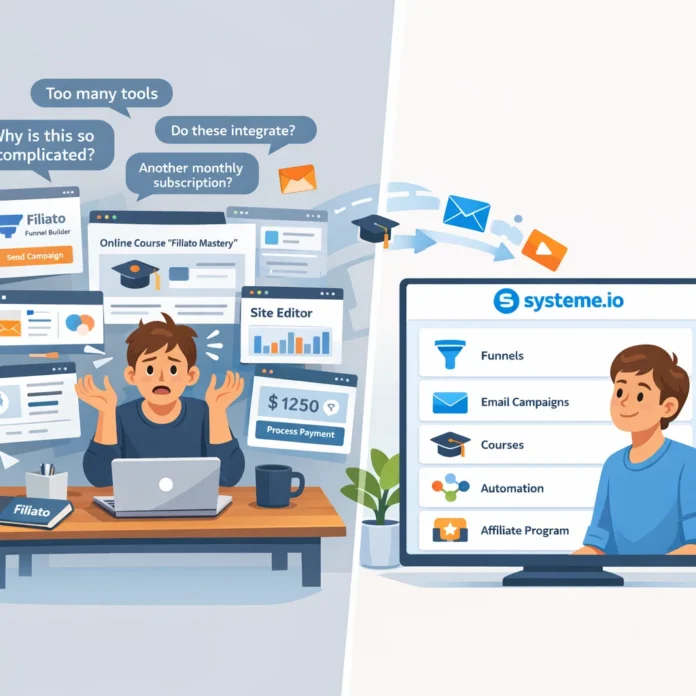
Shopify is often compared to tools like Gumroad, Payhip, or Systeme.io.
The difference is intent.
- Gumroad and Payhip are for selling quickly
- Systeme.io is for funnels and automation
- Shopify is for building a store that lasts
Choosing Shopify too early can slow progress. Choosing it too late can limit growth.
Should You Use Shopify in 2026?
Shopify makes sense if:
- You sell physical products or complex catalogs
- You need inventory and fulfillment
- You care about ownership and flexibility
- You plan to build a real brand
Shopify does not make sense if:
- You are just testing an idea
- You sell a single digital product
- You want minimal setup
- You are unsure what you are building
The platform is powerful, but power only helps when direction is clear.
The Real Problem Is Rarely the Tool
Most people struggle with Shopify not because Shopify is bad, but because expectations are wrong.
They expect:
- Instant sales
- No setup thinking
- Plug and play success
Shopify does not offer that.
It offers infrastructure. What you build on top of it is your responsibility.
Before You Choose Shopify
Before committing to Shopify, it helps to be clear on:
- What you are selling
- Who you are selling to
- How people will find you
- How complex your operation actually needs to be
Without these answers, Shopify becomes friction instead of leverage.
Want Help Avoiding Costly Tool Mistakes?
I’ve put together a free e-book that breaks down how to choose the right platform, product type, and setup based on your stage, not trends.
It’s designed to help you avoid overbuilding, overspending, and choosing tools that don’t match what you’re actually trying to do.
👉 Download the free e-book and checklist here and start with clarity instead of confusion.